Key Highlights from The Next Normal in Real Estate at Terra Hint Brand Series 2020: LEADING THE BRAND THROUGH CRISIS
After facing the global crisis of the coronavirus (COVID-19), the world is now grappling with an economic recession or the World Great Depression 2020 like never before. The sudden shift in consumer behavior has led to new behaviors or the New Normal, making brand building a new challenge for brand owners who must manage their brands to survive in such a crisis.
This year's TerraHint Brand Series 2020 returns with a topic that everyone is interested in: Leading the Brand through Crisis. The following lines will summarize the key highlights of the event; if you don't read it, you will miss out significantly.
Key Highlights: The main topics of the seminar include:
- Research findings on The Most Powerful Brand in Real Estate 2020
- Customer insights on real estate after COVID-19
- The Next Normal in Real Estate
- How to build corporate and personal brands?
- Effective brand management during a crisis
Ms. Sumitra Wongphakdee Managing Director of Terra Media and Consulting Co., Ltd., the service provider for the website TerraBKK.com for searching homes and condos, along with in-depth consulting on all types of real estate development, stated that although the COVID-19 crisis in Thailand is improving, the current economic situation has not yet recovered, leading to most people being concerned about unstable income and believing that the overall economy will recover better in the next year. According to the research findings from “The Most Powerful Brand 2020,” the most powerful brand in real estate 2020, and customer insights on real estate after COVID-19 (full slides available at www.terrabkk.com/images/event/docs/960c5358d77d76325262fb435a70ee5d.pdf), we found three key interesting topics.
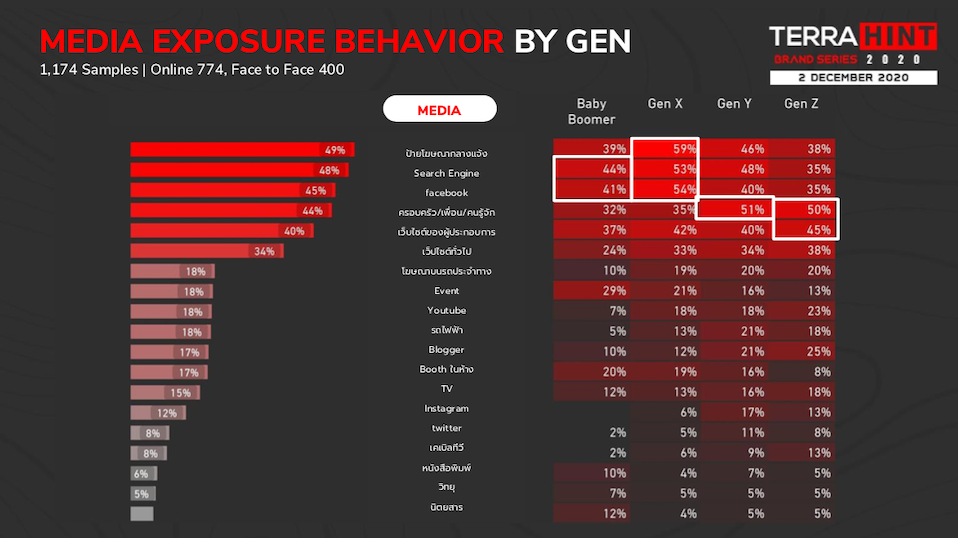
This year's research results on customer insights on real estate after COVID-19 will use a more detailed data collection method than previous years to find new perspectives and deeper insights. Previously, samples were collected online, but this year, the survey method will be divided into two types: online questionnaires with 1,181 samples and face-to-face interviews with 400 samples. The addition of survey methods has expanded the sample base to include more baby boomers and lower-income groups (below 30,000 baht), while the main base remains Gen X and Gen Y, who are the most likely to purchase real estate.
6 Key Factors Influencing Home Buying Behavior
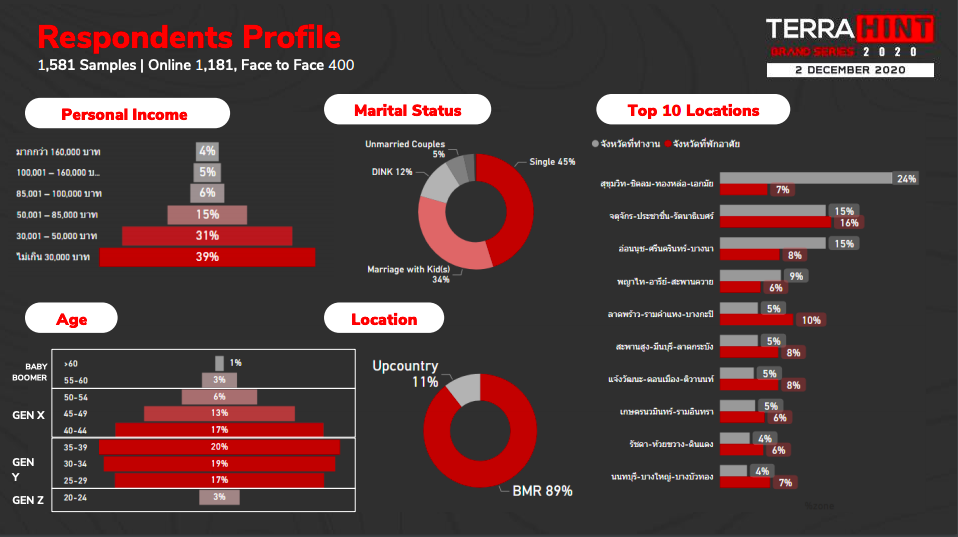
This year's survey found that consumers consider six key factors when buying homes (including condominium brands, single-family homes, and townhomes/townhouses): 1. Credibility and trustworthiness 2. Business ethics 3. Expertise and high experience 4. Meeting lifestyle needs 5. Environmental friendliness 6. Enhancing the image of residents
For new housing projects, 'price' remains the top consideration, but it does not mean 'cheap.'
For new residential projects, the factor of 'price' remains the primary influence on purchasing behavior, regardless of the housing segment. However, 'price' here does not mean 'cheap' but refers to a price that fits their budget.
The next ten important factors influencing the purchase of new housing projects include: 1. Construction materials 2. Security systems 3. After-sales service 4. Usable space within the residence 5. Down payment and installment costs 6. Interior and exterior design 7. Promotions and discounts 8. Environment 9. Good neighborhood 10. Common areas and amenities.
Brand Awareness Channels: Media Search Engines - Facebook are on the rise, but word of mouth is also important.
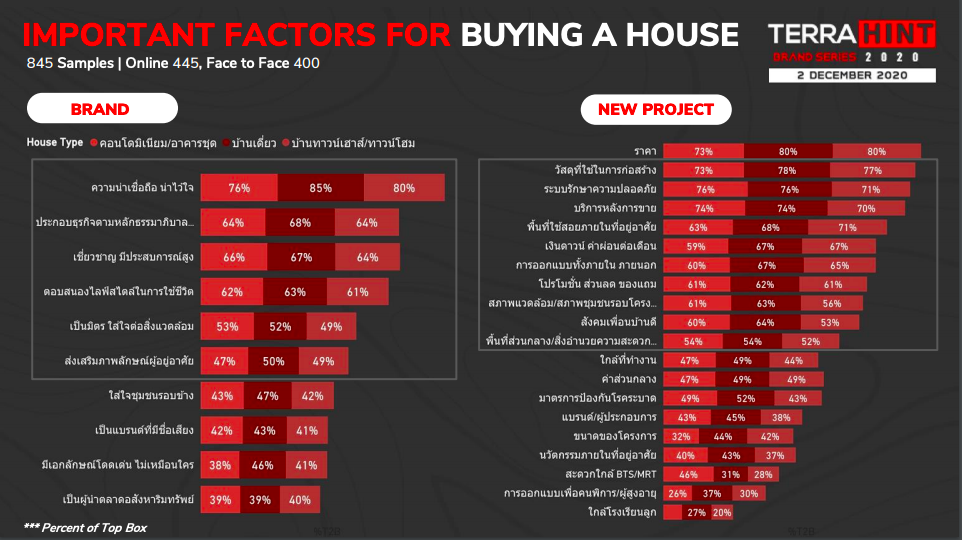
When looking at brand awareness channels for consumers purchasing homes, it is surprising that the baby boomers prefer search engines and use Facebook, indicating that this group is adapting more to online platforms. Meanwhile, recommendations from family, friends, and acquaintances significantly affect Gen Y and Gen Z at 51% and 52%, respectively. Gen X, who likely bear the financial burden of the entire family, consumes media from various channels, including outdoor advertising, search engines, and Facebook, reflecting that this group is 'choosy and thoughtful' more than others.
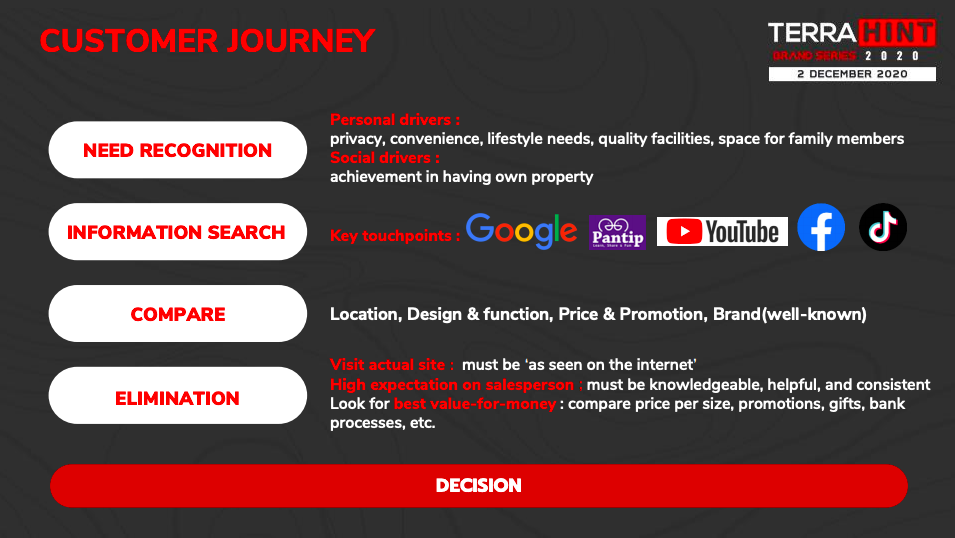
Customer Journey: COVID-19 Changes Lives
It must be acknowledged that the arrival of COVID-19 has completely changed consumer perceptions, which can be broadly categorized as follows:
- Demand: Individually, during COVID-19, people spent more time at home, leading to a greater need for privacy, comfort, and space for family. However, overall, consumers want to own assets more.
- Information Search: Overall, news searching remains primarily through major search engines like Google, YouTube, Pantip, Facebook, and TikTok, but there is a growing preference for video content as it feels more realistic than still images that can be edited. Advertisements from Facebook and TikTok do not create annoyance.
- Comparison: Comparing projects is a crucial behavior for consumers when deciding to purchase a home. This behavior remains unchanged, whether comparing location, design, function, price & promotions, and brand. If it is a brand they do not know, they will skip consideration immediately.
- Selection Process: The most significant change is that due to COVID-19, consumers have reduced the number of site visits to real projects, now only visiting 3 out of 5 to minimize the risk of being in public places. This has led consumers to seek more experienced sales staff, especially for expertise in advising on which bank to approach for loans.
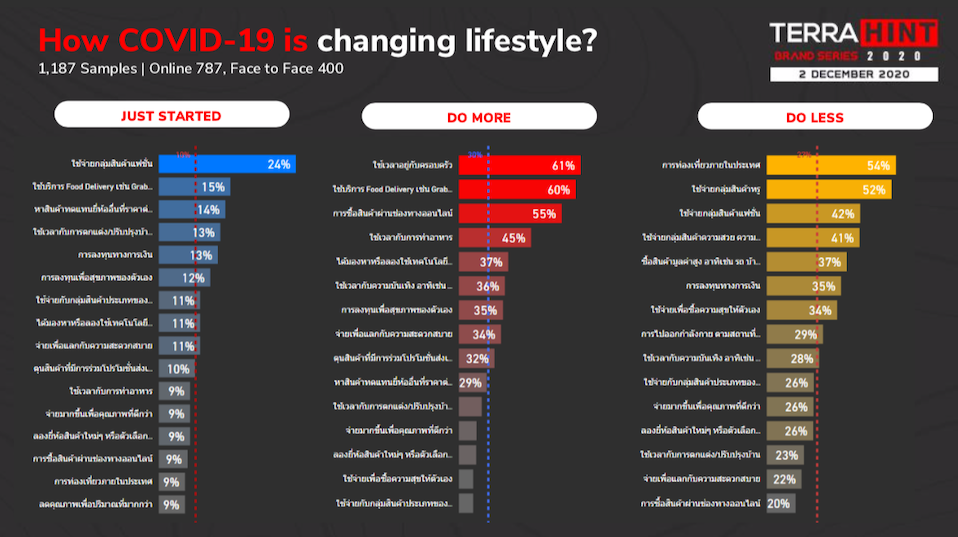
Post-COVID-19 Behavior Changes Permanently
Of course, the arrival of COVID-19 has made everyone more reclusive. Residents are spending more time with family, cooking more, trying new technologies, and enjoying home entertainment more. These behaviors will persist even after the COVID-19 situation has passed.
Similarly, behaviors that have decreased include domestic travel, spending on luxury and fashion items, and delaying high-value purchases while waiting for the right promotions and real discounts.
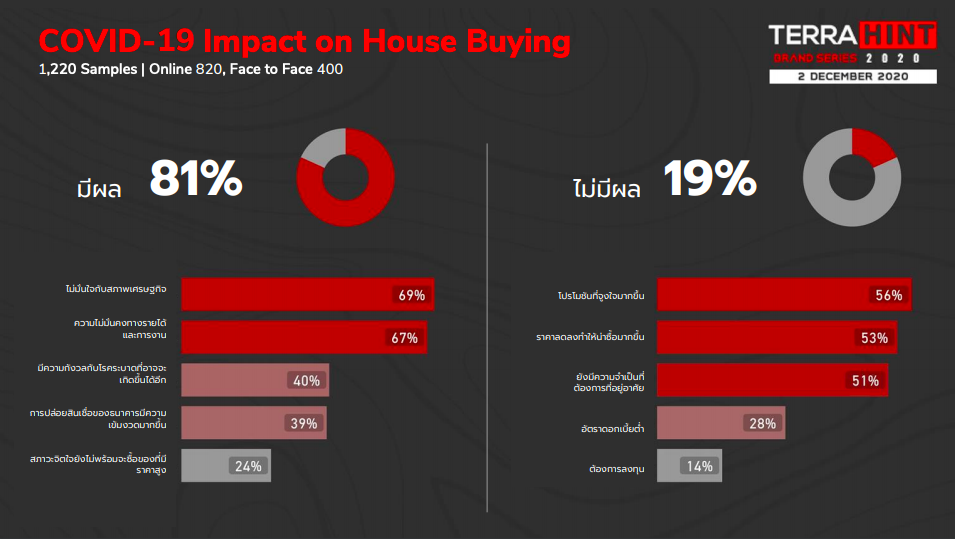
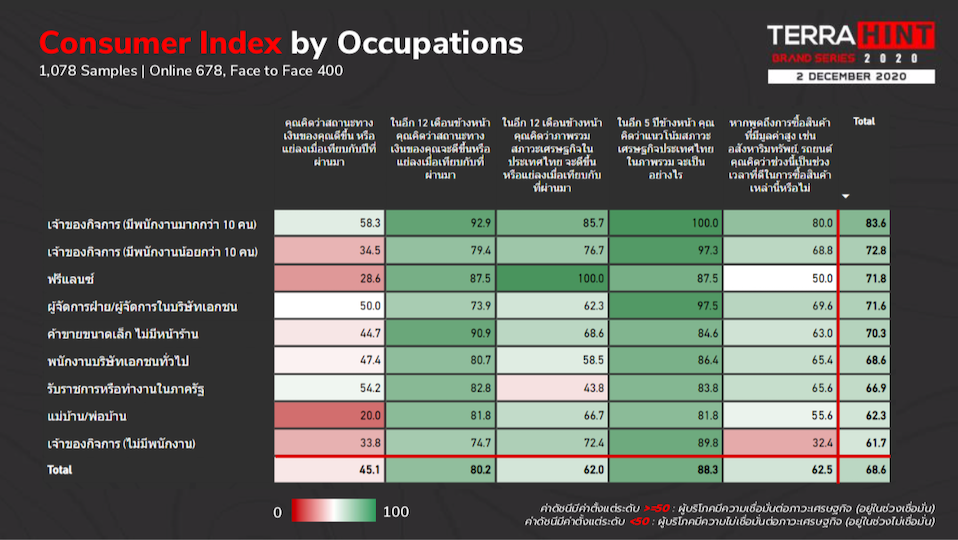
Everyone, regardless of their group, shares the same thoughts and has been equally affected: compared to last year, their financial status has worsened, leading to COVID-19 impacting home purchases by as much as 81%, with 69% feeling uncertain about the economy and 67% feeling insecure about income and employment. However, when delving deeper into occupational groups, almost all professions, especially business owners, believe that within 12 months to 5 years, the economy will improve sequentially.
The Heart of Real Estate Purchasing: From Buyers to Developers
Although the overall housing market has slowed down, it does not mean there is no way forward, as consumers still have a desire to buy. However, as real estate developers, they must serve products that meet the needs of the current situation. When asked what consumers would like real estate developers to present to increase interest in their products, the responses from both online survey samples and interviews were unanimous: the top priority is value for money, followed by 2. Safety standards 3. Energy efficiency 4. Space that meets Work From Home needs 5. Cleanliness and hygiene 6. Common areas 7. Credibility 8. Home design for all family members 9. Smart Home 10. Use of environmentally friendly materials.
One interesting observation from the survey is that the demand for brand credibility, which previously was only significant for Gen Y and Gen X, has now been found to be a priority for Gen Z, who were once perceived as 'indifferent to brands,' now showing a greater need for this than any other generation at 53%.
Real Estate: The Most Powerful Brand 2020
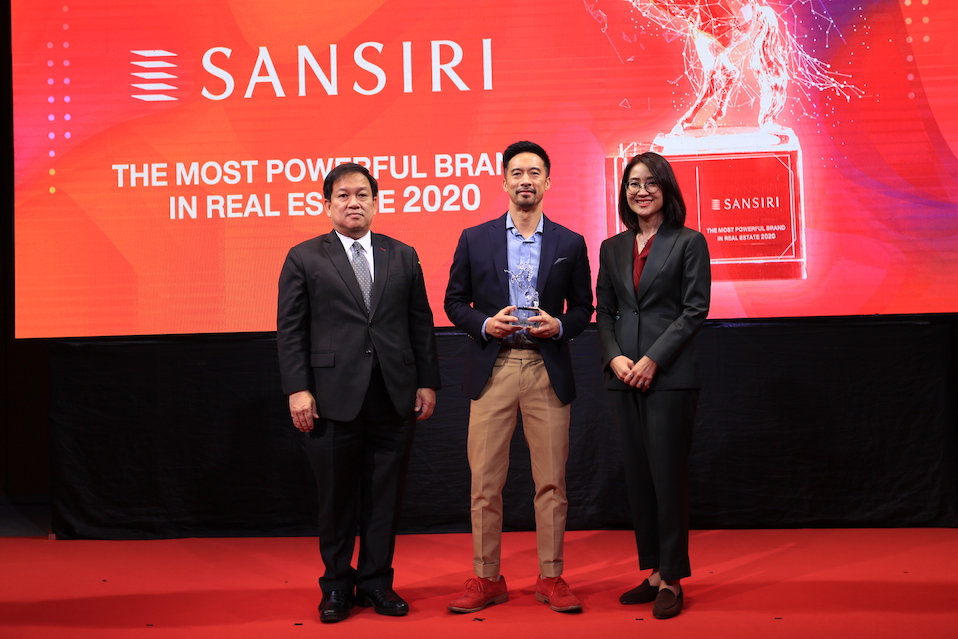
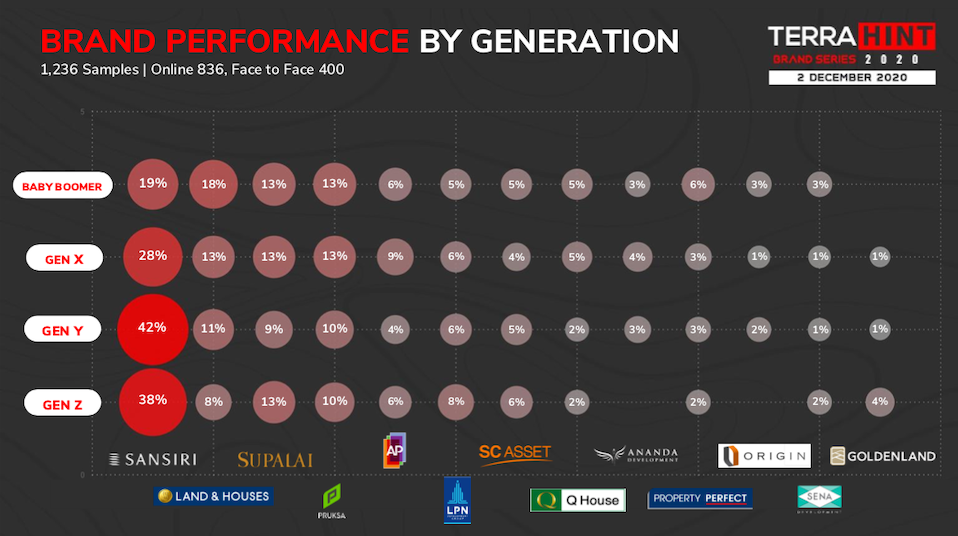
Finally, we arrive at the most anticipated survey results: the announcement of the Brand Powerful Band 2020, which this year goes to Sansiri, winning decisively for the third consecutive year. The survey results reflect that each brand has its unique strengths and maintains its standards after facing various crises throughout the year. Brands like Pruksa and Supalai excelled in value for money, and both brands showed significant improvement compared to last year, as did AP and SC Asset.
Additionally, when dividing leadership in different areas among brands, consumers provided varied perspectives: the leader in single-family homes (ranked first is Land and Houses), the leader in townhomes (ranked first is Pruksa), the leader in condominiums (ranked first is LPN), the leader in innovation (ranked first is Sansiri), and the leader in quality (ranked first is Sansiri).
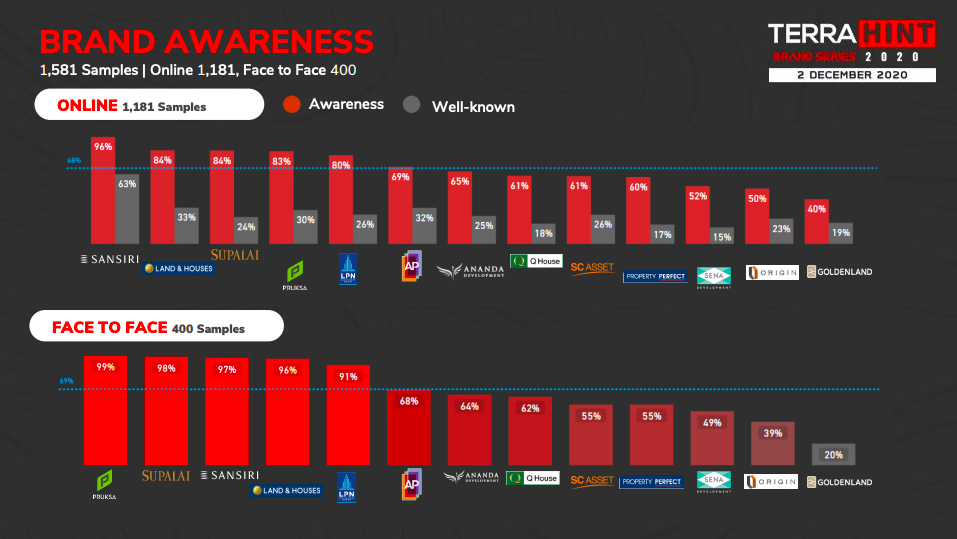
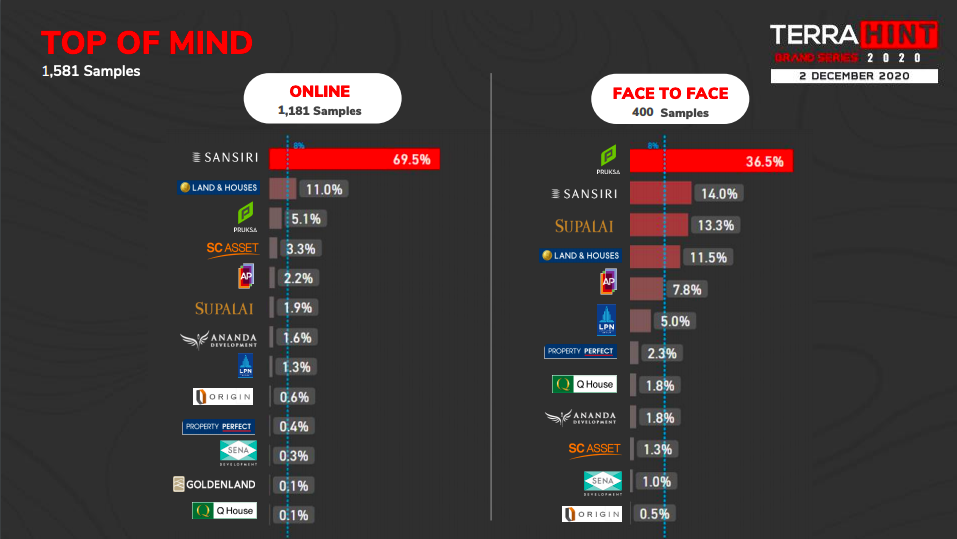
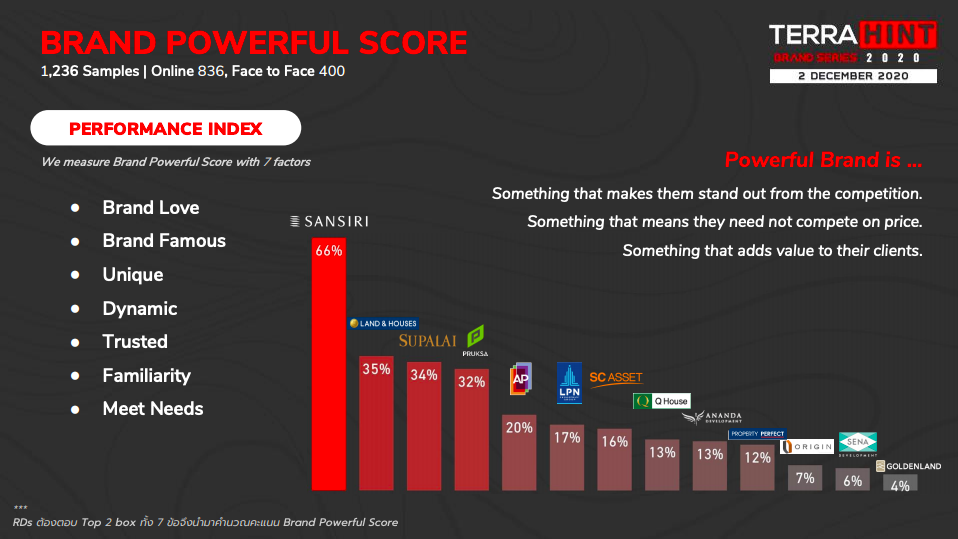
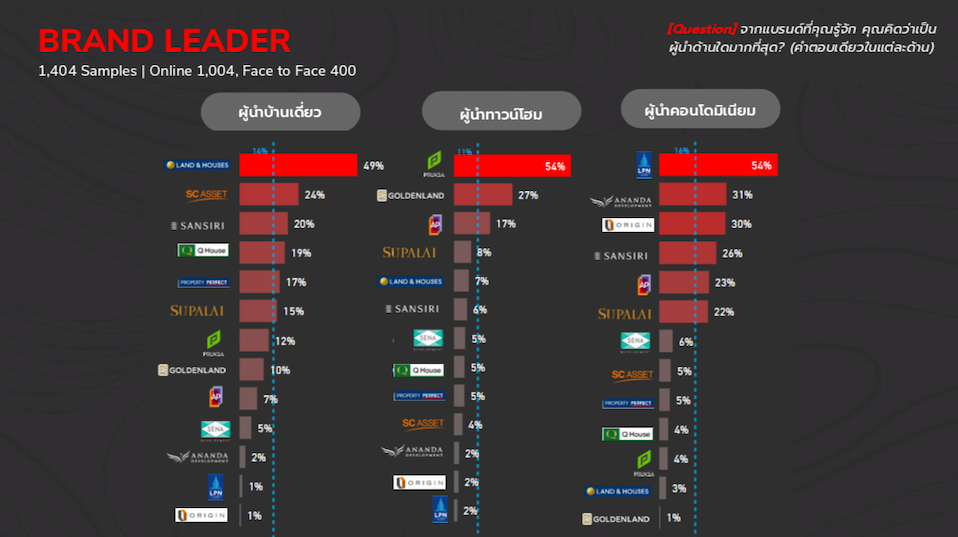
Regarding BRAND LEADER, from the question, which brand do you think is the leader in which area? (Only one answer can be given for each area), the results showed that the leader in single-family homes is Land and Houses at 49%, followed by SC Asset at 24%, and third is Sansiri at 20%. For townhome leaders, the first is Pruksa at 54%, followed by Golden Land at 27%, and AP at 17%. Lastly, for condominium leaders, the first is LPN at 54%, followed by Ananda at 31%, and third is Origin at 30%.
Brand Image: Real Estate vs. Cars
Additionally, there is another survey result that has garnered attention and can be considered another highlight of the event, as it provides a comparison that allows consumers and real estate developers to see the brand image more concretely in the same direction. This is the perspective of real estate buyers when comparing real estate brands with the brand images of various car brands. The results this year remain similar to last year, except that the survey team has removed the brand MINI Cooper, leading to Ananda being compared with BMW. Let's see how other brands fare in the images below.
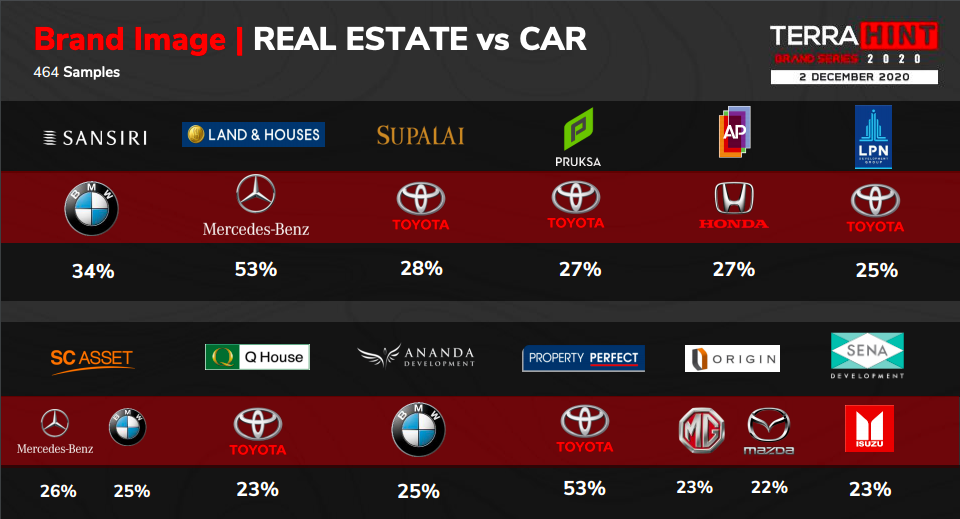
For example, the brand Origin was compared with alternative car brands like Mazda and MG, as well as Tesla.
GROUP TALK: New Trends in Real Estate Business The Next Normal in Real Estate
Hosted by Mr. Atichart Wongwuthiwat, TV host of TNN24
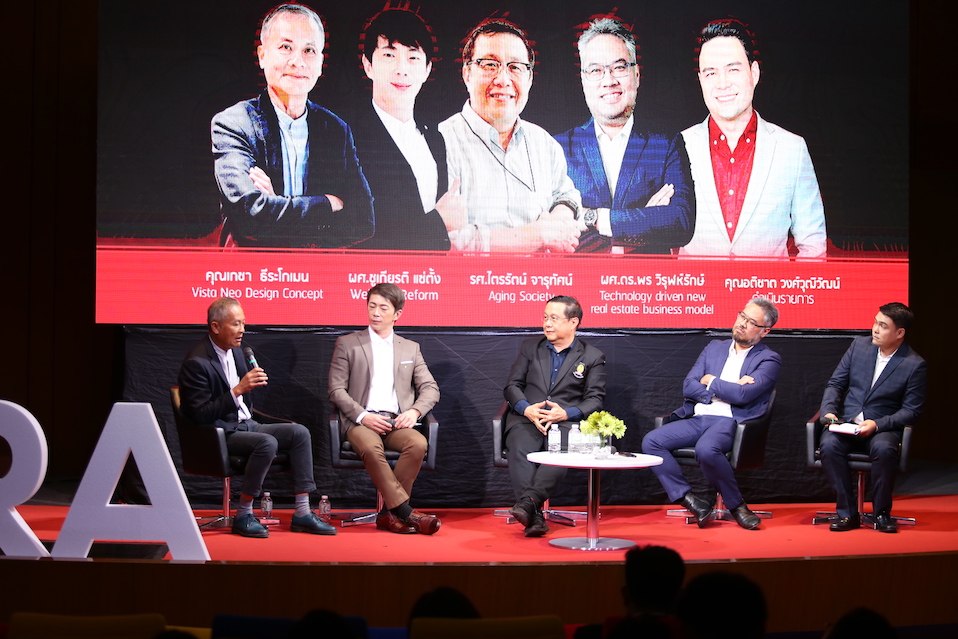
Another segment that received significant attention, alongside the research results, is GROUP TALK from four experts sharing ideas on the hot topic currently being watched in the real estate industry: The Next Normal in Real Estate and where it will head after the COVID-19 situation. TerraResearch has compiled the essence here.
Vista Neo Design Concept | Mr. Kesha Teerakomen CEO of EEC Engineering Network Co., Ltd. (EEC Engineering Network), designer of The Forestias, the world's first city project that prioritizes the environment of MQDC, and an engineer who has been involved with environmental energy innovations for 40 years.
“COVID-19 has completely changed the engineering industry. Customers are placing more importance on energy savings and environmental protection, but in terms of selling points, they remain unchanged. Simply put, it still revolves around earth, water, wind, and fire. However, from an engineering perspective, it is about clean air, safe spaces, free from germs, green areas, and good water management systems. These are still what people want the most.”
This has led to the use of innovative infrastructure systems in tunnels, a cold water supply system in tunnels to help maintain temperature, as well as the integration of other environmental technologies, including the concept of using air circulation systems in buildings that help keep the project cooler than the outside by more than 5 degrees and air quality equivalent to using three PM 2.5 air purifiers as used in China.
“In engineering, we can still go further in terms of quality and standards, but many public companies may be pressured by various factors, making them hesitant to innovate. However, every project in Vista is an investment that adds value.”
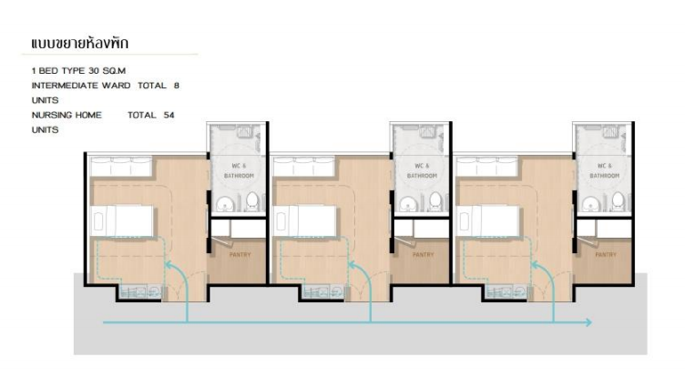
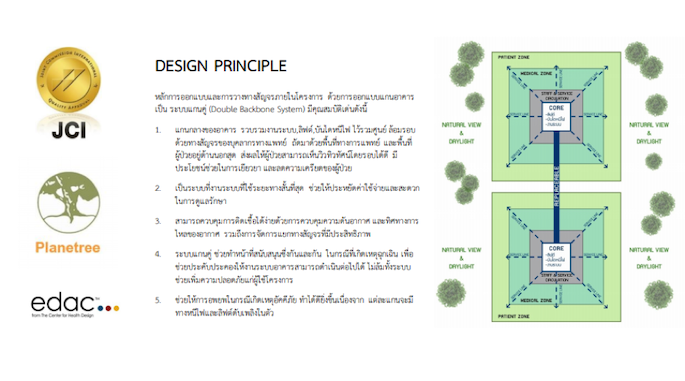
Wellness Reform | Assoc. Prof. Chookiat Saetang Department of Architecture and Design, King Mongkut's Institute of Technology Ladkrabang, an expert in healthcare architecture (healthcare architecture) and the first Thai architect trained in JCI standards from the USA, shared the idea of developing public buildings to hospital cleanliness standards, stating that after the COVID-19 incident, the definition of general hygiene has changed from just visible pollutants affecting the environment to now expanding to include invisible dirt. Therefore, the idea of elevating public building standards to hospital standards has become a topic of interest, though it may not be implemented straightforwardly.

“Developers and most people often think that transitioning to healthcare architecture will come with a price increase, but we have proven that it is not as expensive as thought. Moreover, the climate in Thailand is suitable for medical travel.”
For example, the design of elderly care facilities at Queen Sirikit National Institute of Child Health (near U-Tapao) has the layout of bathrooms facing outside to receive sunlight instead of being close to the entrance door as previously done. This is because allowing bathrooms to receive sunlight helps kill germs and promotes hygiene, making it easier for staff not to have to walk through the bathroom every time they enter the room. If the bathroom is next to the entrance door, every time staff enter the room, the chance of transferring germs from one room to another increases. Additionally, not reversing the left-right layout on every floor makes it easier for staff to remember and respond promptly in emergencies.
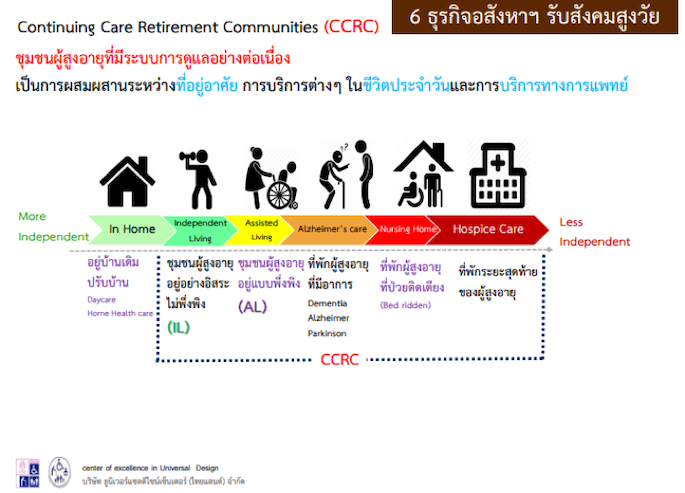
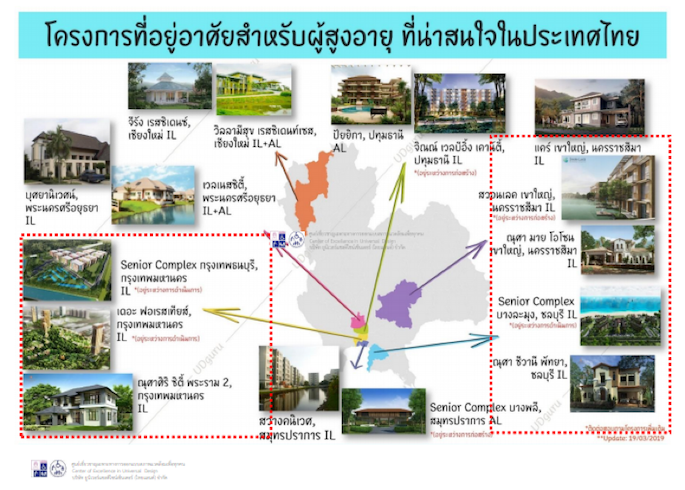
Aging Society | Assoc. Prof. Trairat Jarutathat Head of Housing Department, Faculty of Architecture, Chulalongkorn University emphasized the expansion of the aging society, leading to the design and growth of healthcare businesses in housing, including many projects for the elderly in Thailand that have received excellent responses, with waiting lists even before construction.
As for the elderly rate, by 2017, the elderly will dominate the world, as the growth rate of the elderly exceeds that of children globally. By 2050, the social structure will transition to an aging society worldwide, with Thailand expected to have a population over 60 years old reaching 10-20% between 2003-2025.
“The elderly will be loyal to products, as long as they can resonate with them. They will not only be loyal but also become advocates who spread the word for us. In the future, every project will succeed by relying on Universal Design, as Universal Design can be used by all groups, including children, adults, and the disabled, making it a worthwhile investment.” Assoc. Prof. Trairat revealed the key to success in tapping into the elderly market.
Technology Driven New Real Estate Business Model | Assoc. Prof. Dr. Porn Virulrak Vice President of the Building Information Modeling Association of Thailand (TBIM) highlighted the benefits of BIM (Building Information Modeling) technology, stating that BIM will revolutionize construction work. He pointed out that the risk in developing the essential costs of real estate work is the 'design,' but often the designs created do not match the actual site. Therefore, all problem-solving falls on the contractors. However, if planning and problem-solving can be done from the beginning by incorporating BIM technology, it will lead to accurate planning from the outset, reduce work time, minimize anticipated risks, and ensure clear mutual understanding among all parties in the work process. Importantly, it will reduce unnecessary work, thus lowering unexpected costs.
“Asset management of projects for maximum profit, real estate developers often look to reduce costs. We may buy personnel or technology to assist, but what we cannot buy is the process. Therefore, whoever reaches that point first will get ahead.”
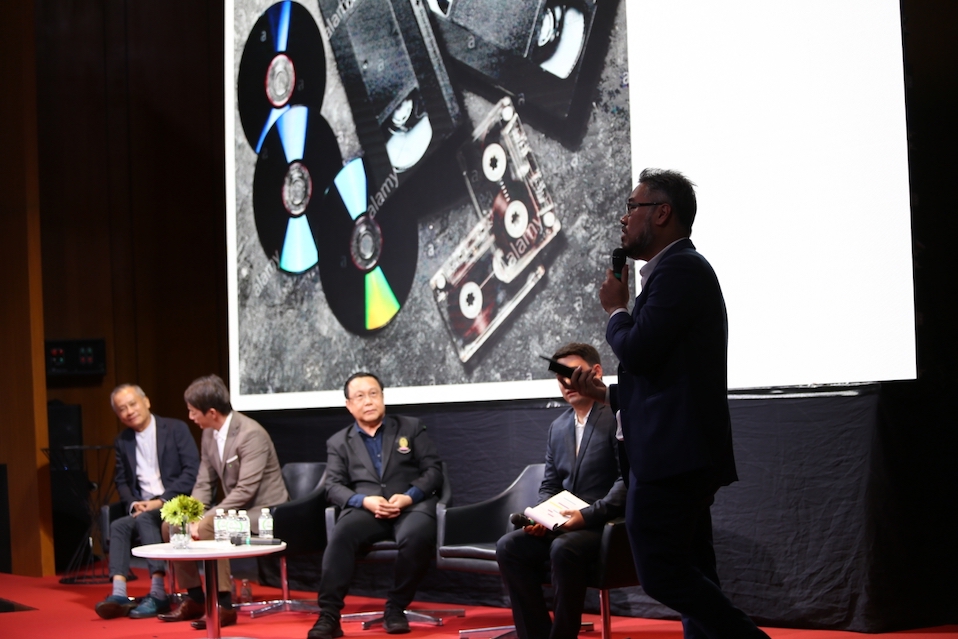
GROUP TALK: Effective Brand Management During Crisis
(Effective brand management during crisis)
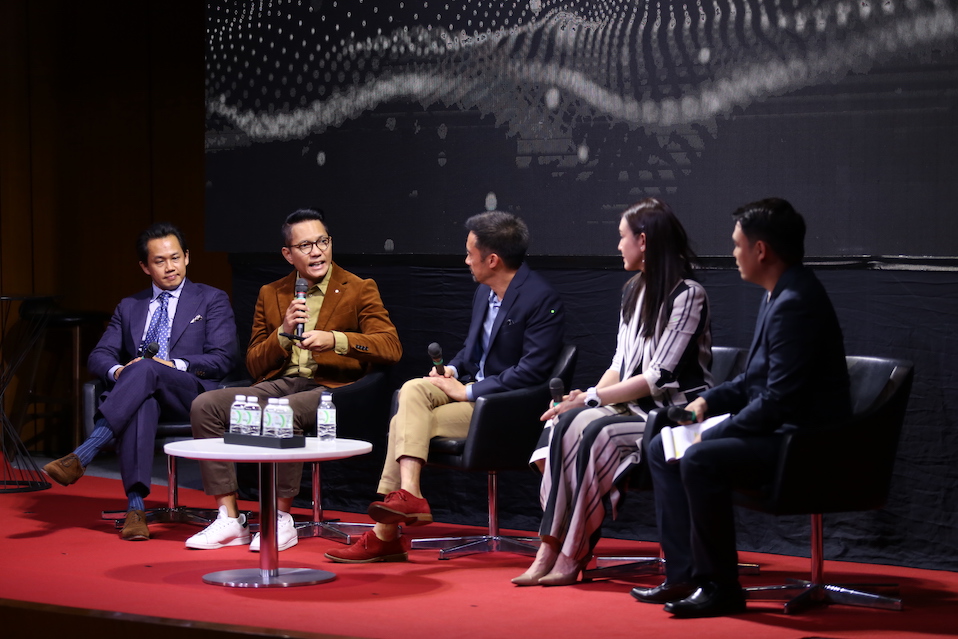
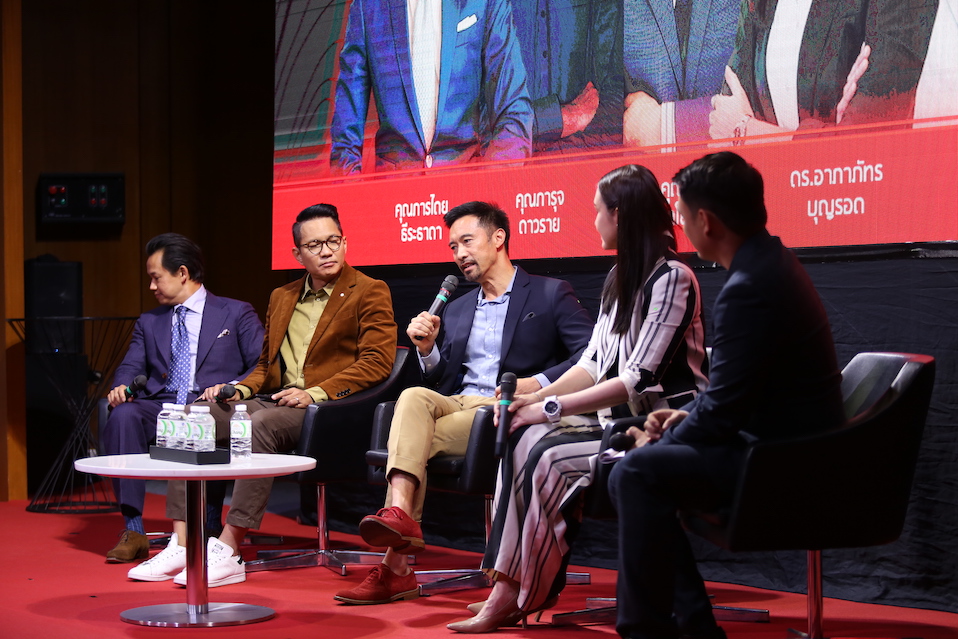
This year is a special year for the TerraHint Brand Series 2020 as it held GROUP TALK twice. In addition to the hot topic of The Next Normal in Real Estate, another topic that cannot be overlooked is brand building, presented under the title ‘Effective Brand Management During Crisis’, featuring four experts sharing in-depth experiences.
Mr. Paradai Teerathada Corporate Brand Strategist
Revealed the key to brand building, which ultimately rests on creating value and connecting meaningful value to consumers, emphasizing the creation of experiences, especially building trust. He cited the case study of TMB Bank, which communicates to people the belief in their own power through the concept “Make THE Difference” in the advertisement featuring the experience of the “Panyee Football Team,” which proved the belief in oneself leading to success (https://www.youtube.com/watch?v=PIVcSbBhK-Y).
Although this advertisement series has been around for nearly 10 years, the essence of communication remains a good example of creating brand value for people. Additionally, the adaptation of TMB Bank to become TMB is still a good guideline for rebranding to remain contemporary and in the hearts of modern consumers.
“Being credible, clear, having a stance, and entering the hearts of consumers” is the key takeaway for brand management in Paradai's style.
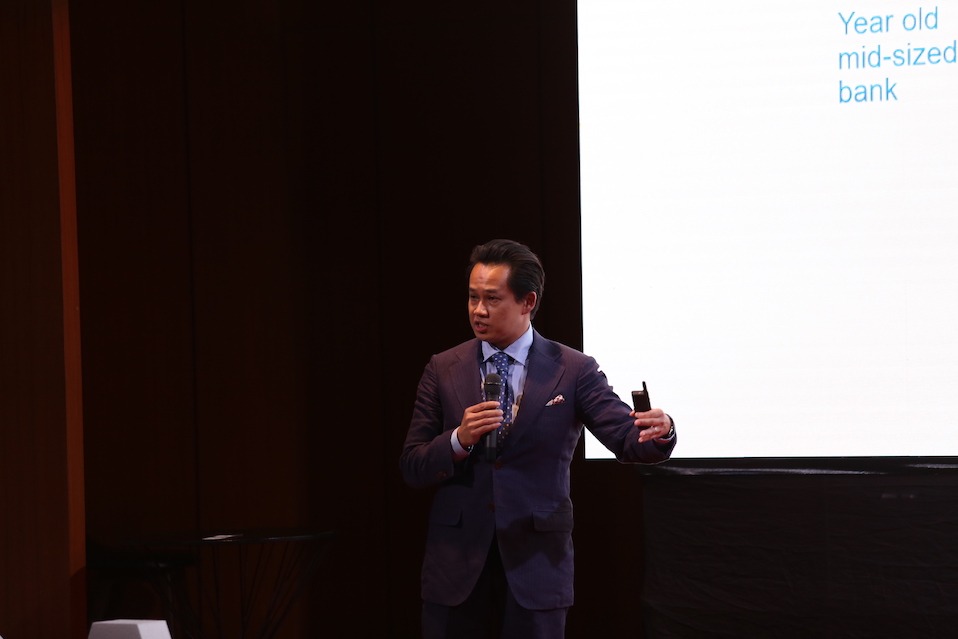
Mr. Paruj Daorai Managing Director of Digitas Thailand
Revealed that brand communication with consumers during a crisis must bring the brand closer to consumers; the brand must be present in the moments that are problems for people, citing the campaign #ร้านข้างทางต้องอยู่ข้างกัน (Street vendors must stand together) by Krung Thai Bank, a campaign that helps street vendors gain visibility on social media, extending assistance during tough times for this group where the brand can help. This is one example of bringing the brand into the hearts of consumers during a crisis.
“Certain behaviors that have emerged, such as the popularity of Netflix or TikTok, reflect people's lifestyles. They seem to compete for consumers' time, but that is because these media are close and accessible to them during the crisis (meaning during lockdown when they couldn't go anywhere). Therefore, we must learn to work in new ways, date to date.”

Dr. Apapath Boonrod CEO of Kantar Insights Thailand
“After COVID-19, the fundamental needs of consumers have not changed, but when it comes to the New Normal, it is about linking new behaviors with old ones. People still want to buy quality products and seek happiness in life, but the definition has changed.”
Dr. Apapath brought research findings from Kantar to illustrate that “COVID-19 is a pandemic that changes our life.” Although COVID-19 will pass, the changed behaviors will remain. The research findings align with the “Customer Insight on Real Estate After COVID-19” from TerraResearch.
“The arrival of COVID-19 has brought many consequences. The main ones are mental health issues, leading to 1. People turning to online media for mental relief 2. Consumers becoming learners, as Thais change their ways of seeking knowledge due to uncertainty in life and mind, thus using online media for increased knowledge 3. The rise of Micro-Entrepreneurs starting their small businesses 4. Consumers becoming creators, sharing and creating content 5. Consumers caring more about the environment.”

As consumer behaviors change, brands with potential and power must adapt. Dr. Apapath summarized that 1. Brands must have value for consumers and meet some of their needs 2. Be distinctive and different 3. Be the first brand that comes to consumers' minds, as this leads to market share and profit.
“There is a clear connection between powerful brands with value and greater growth than competing brands. For example, Amazon has both value and creativity, making it the number one brand on the global brand list. Interestingly, after COVID-19, 17 Chinese brands made it to the global brand list, such as TikTok and Moutai, showing that these Chinese brands have value and meet certain consumer needs.”
Moreover, a crucial factor for brands wanting to be strong is credibility. For instance, Facebook experienced a drop in popularity due to a lack of credibility regarding personal data leaks, but being a large brand, it managed to adapt quickly and regain consumer trust.
When a crisis occurs, how do brands seize opportunities from that crisis? For example, during the COVID-19 period, over 50% of consumers wanted brands that could help save lives. Examples include Kasikorn Bank assisting employees in the community, Shell distributing hand sanitizers, Kerry Express providing social distancing boxes, and McDonald's redesigning their logo to reflect social distancing. These examples show that brands must understand the moments and feelings of consumers.
“Brand Equity can be built, but it takes time and must be clear. The important thing is that we must know how to use technology to create a brand identity, create value, and humanize the brand.”
Mr. Noppadol Phaholyothin Chief Creative Officer of Sansiri Public Company Limited
As a representative of the organization that received the Brand Powerful Band 2020
Revealed the behind-the-scenes of this success, stating that what Sansiri does is to make itself tangible and credible because for consumers, it is not just about buying a house but entrusting their lives. Importantly, it is about knowing how to adapt early and care for one another.
“Building a brand during COVID-19, we Make for Life. We started with WFH, taking care of employees, and employees communicated these values to customers, which customers could feel.”
“Sansiri has been fighting since before COVID-19. We admit that we cut out unnecessary expenses early to gather cash flow to keep the organization afloat. At the same time, we consider the feelings of others and pulse the market first. During the job market crisis, consumers might feel that if they have no job, they will also lose their home, so we try to ensure that people can have homes.”
Due to digital disruption, everything changed suddenly. Within three weeks of lockdown, online usage rates equaled five years of usage. This figure led Sansiri to focus on this channel specifically.
“The truth is that we are not just concerned about this; it is also because we had no budget, so we fully focused on digital. Our team dedicated ideas, with some pieces even filmed with mobile phones. We can say we went commercial because we do not see ourselves only as a luxury brand.”
All of this is just a part of the knowledge gained from the TerraHint Brand Series 2020: LEADING THE BRAND THROUGH CRISIS, which we hope will ignite ideas and help businesses navigate through this crisis, even if just a little.
Ms. Sumitra concluded with:
“At this time, real estate is considered a safe asset in the eyes of consumers.
And real estate brands are added value for the future.
Companies without brands will not survive.”
Just like the words of the world's investment mogul Warren Buffett.